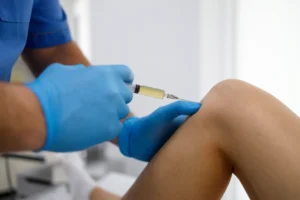
Chronic heel pain can disrupt daily life, making even simple steps uncomfortable. One of the most common causes of this pain is plantar fasciitis, a condition affecting the thick band of tissue that supports the arch of the foot. In recent years, platelet-rich plasma injections for plantar fasciitis have emerged as a cutting-edge, non-surgical treatment option designed to promote healing rather than simply masking symptoms.
At Iron Mountain Orthopaedic Institute, Mark Ayzenberg, MD offers advanced regenerative treatments that help patients return to active, pain-free lifestyles. This article explains how PRP therapy works, who can benefit, and why it is becoming a trusted option for plantar fasciitis relief.
What Is Plantar Fasciitis?
Plantar fasciitis occurs when the plantar fascia ligament becomes inflamed or damaged due to overuse or stress. It is especially common among runners, people who stand for long hours, and individuals with flat feet or high arches.
Common Symptoms
- Sharp heel pain, especially in the morning
- Pain after long periods of standing or walking
- Tenderness along the bottom of the foot
- Stiffness that improves with movement
If left untreated, plantar fasciitis can become chronic and increasingly difficult to manage.
Understanding Platelet-Rich Plasma (PRP) Therapy
Platelet-rich plasma is derived from a small sample of the patient’s own blood. The blood is processed in a centrifuge to concentrate platelets, which are rich in growth factors essential for tissue repair.
Why Platelets Matter
Platelets release healing proteins that:
- Reduce inflammation
- Stimulate tissue regeneration
- Improve blood flow to damaged areas
This natural approach makes PRP therapy a safe and effective option for musculoskeletal injuries.
How Platelet-rich plasma injections for plantar fasciitis Work
When PRP is injected directly into the damaged plantar fascia, it targets the root cause of the condition rather than just the pain.
Step-by-Step Process
- Blood is drawn from the patient
- Platelets are concentrated in a centrifuge
- PRP is injected into the plantar fascia using precise guidance
- Growth factors begin repairing microtears
Over time, patients experience reduced pain and improved foot function.
Benefits of PRP Injections for Plantar Fasciitis
PRP therapy offers several advantages over traditional treatments.
Key Benefits
- Uses the body’s natural healing ability
- Minimally invasive with no surgery
- Lower risk of complications
- Long-lasting results compared to steroid injections
Unlike corticosteroids, PRP does not weaken tissue and supports long-term healing.
Who Is a Good Candidate for PRP Therapy?
PRP injections are ideal for patients who:
- Have chronic plantar fasciitis lasting over 6 months
- Have not improved with rest, orthotics, or physical therapy
- Want to avoid surgery
- Prefer regenerative treatment options
A thorough evaluation by Mark Ayzenberg, MD ensures the best outcomes.
PRP vs. Steroid Injections: A Clear Comparison
| Feature | PRP Therapy | Steroid Injections |
|---|---|---|
| Healing | Promotes tissue repair | Temporary pain relief |
| Longevity | Long-term improvement | Short-term effect |
| Safety | Uses patient’s own blood | Risk of tissue weakening |
| Invasiveness | Minimally invasive | Minimally invasive |
PRP stands out as a regenerative solution rather than a temporary fix.
What to Expect During Recovery
Most patients resume light activities within a few days. Full healing typically occurs over several weeks as the plantar fascia repairs itself.
Recovery Tips
- Avoid high-impact activities initially
- Follow stretching and rehabilitation guidance
- Wear supportive footwear
Gradual improvement is normal, with optimal results appearing after several weeks.
Why Choose Mark Ayzenberg, MD at Iron Mountain Orthopaedic Institute
Mark Ayzenberg, MD is a trusted orthopedic specialist known for patient-centered care and advanced treatment techniques. At Iron Mountain Orthopaedic Institute, patients benefit from evidence-based therapies, state-of-the-art technology, and personalized treatment plans.
Learn more about orthopedic advancements at the American Academy of Orthopaedic Surgeons:
 https://orthoinfo.aaos.org/