The Science of PRP & Regenerative Medicine

Mark Ayzenberg, MD, FAAOS
Why Some Shockwave Therapy Treatments Fall Short and What a Proper Evaluation Changes
Mark Ayzenberg, MD, FAAOS
The Most Common EMSCULPT NEO Mistakes Orthopaedic Patients Make
Joint pain changes the way people move. Over time, that can lead to muscle weakness around the affected joint, making it even harder to stay active and recover.
For patients looking for ways to rebuild strength without immediately turning to surgery, EMSCULPT NEO can be a useful part of a treatment plan. But like any treatment, timing and expectations matter. Starting too soon, expecting immediate results, or relying on EMSCULPT NEO as a standalone solution can all limit the results patients see.
Understanding where EMSCULPT NEO fits into an orthopaedic recovery plan can help patients get more out of the treatment.
What Is EMSCULPT NEO?
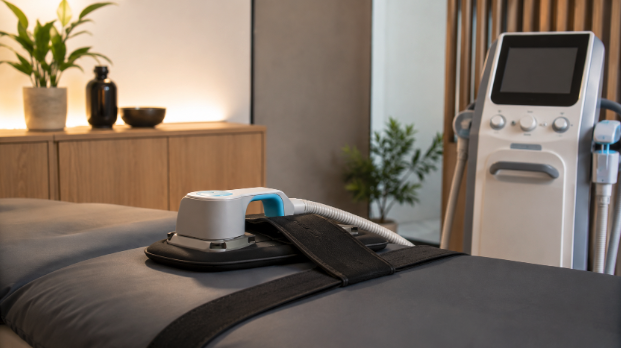
EMSCULPT NEO combines radiofrequency heating with high-intensity focused electromagnetic (HIFEM) energy. During a treatment session, the technology stimulates thousands of muscle contractions that are more intense than the contractions typically produced voluntarily during exercise.
This can be particularly helpful for orthopaedic patients who have lost muscle strength because pain or an injury has made it difficult to exercise normally.
For example, someone with knee osteoarthritis may gradually develop weakness in the quadriceps because loading the painful knee becomes uncomfortable. As that muscle weakens, the knee loses some of the muscular support that helps stabilize it.
EMSCULPT NEO can help rebuild that muscle without requiring the same type of joint loading that would occur during a traditional workout.
However, that does not mean it should be used at every stage of recovery.
Mistake #1: Starting Treatment While the Joint Is Still Inflamed
One of the biggest mistakes patients can make is beginning EMSCULPT NEO while dealing with significant inflammation, swelling, or an active flare.
When a joint is actively irritated, the first priority is usually understanding why it is inflamed and getting that problem under control.
Consider a patient with knee osteoarthritis whose knee is currently swollen and painful. Jumping immediately into a muscle-building treatment may not be the best starting point. The underlying joint condition needs to be evaluated first so the provider can determine whether EMSCULPT NEO makes sense now or later in the recovery process.
At Iron Mountain Orthopaedic Institute, patients are evaluated before regenerative or muscle-building treatments are recommended. This helps determine the current condition of the joint and where a treatment such as EMSCULPT NEO actually fits into the overall plan.
For some patients, it may be appropriate immediately. For others, inflammation or another underlying issue may need to be addressed first.
Mistake #2: Expecting Results After One Session
EMSCULPT NEO creates an intense muscular stimulus, but muscle does not rebuild overnight.
A standard treatment course generally consists of four sessions spaced approximately five to ten days apart. The muscle-building process continues after those sessions are completed, which means patients may not see or feel their full results immediately.
Measurable changes can take several weeks to develop.
This is where expectations become important. A patient who completes one or two sessions and expects a dramatic transformation may assume the treatment is not working when the body simply has not had enough time to respond.
The contractions happen during the appointment. The recovery and adaptation happen afterward.
Nutrition also matters during this process. The body needs adequate protein and nutrients to support muscle repair and growth following treatment. EMSCULPT NEO can provide the stimulus, but the body still needs the resources necessary to respond to it.
Mistake #3: Treating EMSCULPT NEO as a Standalone Solution
Muscle weakness around an injured or arthritic joint rarely develops for no reason.
Pain may cause someone to walk differently, avoid certain movements, stop exercising, or shift more weight onto the opposite side of the body. Over months or years, those compensations can lead to significant weakness.
EMSCULPT NEO can help address the muscle component of that problem, but it does not automatically correct everything that caused the weakness in the first place.
That is why it often makes more sense as one part of a larger treatment plan.
Depending on the patient, that plan could include physical therapy, changes in activity, regenerative treatments such as PRP, or another intervention designed to address the joint itself.
The goal is not simply to make a muscle stronger. It is to understand why the muscle became weak and address as much of that larger picture as possible.
When Does EMSCULPT NEO Make Sense?
EMSCULPT NEO may be worth considering when a patient’s joint condition is stable, inflammation is controlled, and muscle weakness is contributing to reduced function or joint stability.
It may also have a role during recovery when pain has made traditional strengthening difficult.
On the other hand, patients experiencing significant swelling, an acute injury, or unexplained joint pain should generally start with an orthopaedic evaluation. The same is true for anyone hoping EMSCULPT NEO will replace treatment for an underlying structural problem.
There is no single treatment that makes sense for every patient.
A proper evaluation helps determine whether EMSCULPT NEO should be used now, later, alongside another treatment, or not at all.
Mistake #4: Ignoring What Happens Between Sessions
The appointment is only one part of the process.
What happens between EMSCULPT NEO sessions can influence how well the body responds. Adequate protein intake supports muscle repair, while appropriate activity helps patients continue using the strength they are rebuilding.
Patients should also follow any activity recommendations provided by their physician. Trying to push through an injury or returning to intense exercise too quickly can work against the broader recovery plan.
EMSCULPT NEO is meant to support recovery, not replace good recovery habits.
Who May Not Be a Good Candidate?
EMSCULPT NEO is not appropriate for every patient.
Certain medical conditions and implanted devices may prevent someone from safely receiving treatment. This can include pacemakers, certain metal implants within the treatment area, active infections, pregnancy, and some neurological conditions.
Patients experiencing uncontrolled swelling or an acute injury that has not been evaluated should also have the underlying problem assessed before beginning treatment.
EMSCULPT NEO also does not reverse structural joint damage. Significant cartilage loss, severe arthritis, or an injury requiring surgical repair still needs to be addressed appropriately.
In those situations, EMSCULPT NEO may sometimes have a role in strengthening surrounding muscles before or after another intervention, but it is not a replacement for treating the structural problem itself.
Getting the Timing Right
The biggest takeaway is that EMSCULPT NEO is not simply about completing a certain number of sessions.
The patient’s starting point matters.
Someone with a stable joint and significant muscle weakness may be in a very different position than someone experiencing an active inflammatory flare. Both patients may eventually benefit from muscle strengthening, but their treatment plans may need to begin differently.
At Iron Mountain Orthopaedic Institute, the goal is to understand the condition of the joint first and then determine which treatments make sense based on the patient’s individual situation.
That approach helps patients avoid spending time and money on a treatment before the body is ready to benefit from it.
Frequently Asked Questions
How many EMSCULPT NEO sessions are typically needed?
A standard course generally includes four sessions spaced approximately five to ten days apart. Full results may take several additional weeks to develop because muscle adaptation continues after treatment.
Can EMSCULPT NEO help patients avoid knee replacement surgery?
That depends on the condition of the knee. Strengthening the muscles surrounding the joint may improve support and function for some patients, but EMSCULPT NEO does not repair severe structural damage or replace cartilage.
Patients with significant arthritis or cartilage loss should be evaluated by an orthopaedic specialist to understand which treatment options are appropriate.
Can EMSCULPT NEO be used when a joint is inflamed?
Patients experiencing active inflammation, swelling, or an acute flare should be evaluated before beginning treatment. In some cases, addressing the inflammation first may create a better foundation for muscle-building treatment later.
How is EMSCULPT NEO different from physical therapy?
The two approaches serve different purposes.
Physical therapy focuses on movement patterns, functional strength, mobility, and motor control through voluntary movement and exercise. EMSCULPT NEO uses electromagnetic energy to create powerful involuntary muscle contractions.
For some patients, the two may complement each other rather than serving as alternatives.
What should patients do after an EMSCULPT NEO session?
Adequate nutrition, particularly protein intake, can help support the muscle-building process. Patients should also follow their physician’s recommendations regarding activity and exercise between sessions.
How can someone determine whether EMSCULPT NEO is appropriate?
An orthopaedic evaluation is the best starting point.
At Iron Mountain Orthopaedic Institute, the evaluation process looks at the condition of the joint, the source of the patient’s symptoms, muscle weakness, inflammation, and other factors before determining whether EMSCULPT NEO belongs in the treatment plan.
Patients dealing with joint pain, muscle weakness following an injury, or difficulty returning to normal activities can call (215) 821-7059 to schedule a consultation with Dr. Mark Ayzenberg and discuss available treatment options.
About the Author
Iron Mountain Orthopaedic Institute is an advanced orthopaedic practice led by Dr. Mark Ayzenberg, FAAOS, a double board-certified, fellowship-trained orthopaedic surgeon specializing in shoulder, knee, hip, and ankle minimally invasive surgery. The practice combines surgical expertise with research-backed regenerative treatments including PRP, stem cell therapy, A2M, MLS Laser Therapy, ESWT, and EMSCULPT NEO, serving patients seeking options for sports injuries, joint conditions, recovery, and returning to the activities they value.
Mark Ayzenberg, MD, FAAOS
Bone Marrow Injections Outperform Knee Replacements After 15 Years, Study Finds. How to Avoid Knee Replacement Even with “Bone on Bone” arthritis.

Mark Ayzenberg, MD, FAAOS
Why Not All PRP is the Same: The Importance of High-Quality, High-Dose, and Ultrasound-Guided Injections for Orthopaedic Conditions
Mark Ayzenberg, MD, FAAOS
PRP: The Cutting Edge of Knee Osteoarthritis Treatment: A Comprehensive Review of Research Studies

Mark Ayzenberg, MD, FAAOS
Harnessing PRP Therapy for Shoulder Arthritis, Rotator Cuff Injury and Frozen Shoulder: Recent Advances and Research Insights

Mark Ayzenberg, MD, FAAOS
The Promise of PRP for Tennis Elbow and Golfer’s Elbow (Lateral and Medial Epicondylitis): Recent Research Insights

Mark Ayzenberg, MD, FAAOS