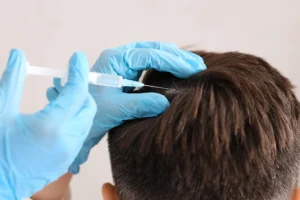

Knee osteoarthritis is a common and often painful condition that affects millions of adults worldwide. It occurs when the protective cartilage in the knee joint gradually wears down, leading to stiffness, swelling, and limited mobility. For patients seeking non-surgical and regenerative solutions, Platelet-rich plasma injections for knee osteoarthritis have emerged as a promising treatment option.
At Iron Mountain Orthopaedic Institute, Mark Ayzenberg, MD, offers advanced, evidence-based orthopedic care designed to relieve pain and improve joint function. Platelet-rich plasma (PRP) therapy uses the body’s natural healing abilities to target inflammation and tissue damage directly at the source. As a result, many patients experience meaningful improvement without the need for invasive procedures.
This article explores how PRP therapy works, who it benefits most, and why it has become a trusted option in modern orthopedic medicine.
Knee osteoarthritis develops when cartilage breaks down over time due to aging, repetitive stress, injury, or genetic factors. As cartilage thins, bones begin to rub against each other, causing pain and inflammation. Risk factors include excess body weight, prior knee injuries, repetitive motion occupations, and natural joint aging.
Patients often report persistent knee pain, morning stiffness, swelling, reduced range of motion, and difficulty walking or climbing stairs. Symptoms tend to worsen over time if left untreated, significantly affecting daily quality of life.
Platelet-rich plasma injections for knee osteoarthritis involve drawing a small amount of the patient’s blood and processing it to concentrate platelets. These platelets are rich in growth factors that promote tissue repair, reduce inflammation, and support healing within the knee joint.
Once injected into the affected knee, PRP stimulates the body’s natural repair mechanisms. Unlike corticosteroid injections that mainly suppress symptoms, PRP addresses the underlying biological processes contributing to joint degeneration.
Platelets release proteins that signal the body to repair damaged tissues. In orthopedic applications, these signals encourage cartilage support, improved joint lubrication, and reduced inflammatory response, making PRP a regenerative treatment rather than a temporary fix.
One of the biggest advantages of PRP therapy is that it uses the patient’s own blood, minimizing the risk of allergic reactions or complications. The procedure is performed in-office and typically takes less than an hour.
Many patients experience gradual but sustained pain reduction over several months. Studies suggest PRP can provide longer-lasting relief compared to traditional injections, especially in mild to moderate osteoarthritis cases.
By reducing inflammation and supporting joint health, patients often notice improved knee flexibility, increased walking endurance, and a return to everyday activities they once avoided.
PRP therapy is ideal for patients with early to moderate knee osteoarthritis who want to delay or avoid surgery. It is also suitable for individuals who have not responded well to physical therapy or standard injections.
However, PRP may not be recommended for patients with advanced bone-on-bone arthritis, active infections, or certain blood disorders. A comprehensive evaluation by Mark Ayzenberg, MD at Iron Mountain Orthopaedic Institute ensures proper patient selection and optimal outcomes.
During the first visit, Dr. Ayzenberg performs a detailed clinical evaluation, reviews imaging studies, and discusses treatment goals. This personalized approach ensures PRP therapy aligns with each patient’s condition and lifestyle.
Blood is drawn, processed in a centrifuge, and injected precisely into the knee joint using advanced imaging guidance. Most patients return to light activities within a day, with gradual improvement over weeks as healing progresses.
| Treatment Option | Pain Relief Duration | Invasiveness | Regenerative Benefit |
|---|---|---|---|
| Physical Therapy | Short to moderate | Non-invasive | No |
| Cortisone Shots | Short-term | Minimally invasive | No |
| Hyaluronic Acid | Moderate | Minimally invasive | Limited |
| PRP Injections | Long-lasting | Minimally invasive | Yes |
PRP stands out due to its regenerative nature and longer-term benefits.
With extensive experience in orthopedic and regenerative medicine, Mark Ayzenberg, MD provides patient-centered care rooted in the latest scientific evidence. Iron Mountain Orthopaedic Institute is known for advanced treatment options, precise diagnostics, and a commitment to long-term joint health.
Learn more about orthopedic advancements at the American Academy of Orthopaedic Surgeons:
 https://orthoinfo.aaos.org/