Blog

Smiling woman practicing Warrior II yoga pose on an outdoor deck overlooking the ocean and mountains.

Does Extracorporeal Shockwave Therapy Actually Work? What Real Results Look Like in Huntingdon Valley, PA

By Mark Ayzenberg, MD, FAAOS, Founder, Iron Mountain Orthopaedic Institute

Chronic tendon pain has a way of outlasting everything you throw at it. You’ve rested it, iced it, stretched it, done the physical therapy, maybe taken the cortisone shot. And it’s still there, every morning, every round of golf, every time you try to keep up with your grandkids.

Direct Answer

Extracorporeal shockwave therapy (ESWT) is a non-surgical, in-office treatment that delivers targeted acoustic energy into damaged tendons and soft tissue to restart the body’s healing process. For appropriate candidates, it produces meaningful pain reduction and functional improvement, typically over 6 to 12 weeks. Results vary based on injury type, chronicity, and how the treatment is applied.

Key Takeaways

  • ESWT works by triggering a controlled biological response in tissue that has stopped healing on its own, not by masking pain
  • The strongest results come from chronic tendinopathies (plantar fasciitis, Achilles, patellar, rotator cuff) that haven’t responded to standard conservative care
  • Most patients need 3 to 5 sessions; improvement builds gradually over weeks, not immediately after the first treatment
  • Temporary soreness after each session is normal and expected, not a sign the treatment isn’t working
  • ESWT is not appropriate for acute injuries, active infections, or patients on certain blood thinners

Why Does Chronic Tendon Pain Stop Responding to Normal Treatment?

Most people assume that rest and time fix tendon injuries. For acute injuries, that’s often true. But chronic tendinopathy is a different animal.

When a tendon is repeatedly stressed without adequate recovery, the tissue undergoes a process called failed healing. The body attempts repair but produces disorganized collagen, inadequate blood supply, and scar tissue rather than functional tendon fibers. At that point, the injury isn’t really “inflamed” in the traditional sense. It’s structurally compromised.

This is the core problem: once a tendon enters the failed-healing state, standard anti-inflammatory treatments stop working because inflammation is no longer the primary driver. Cortisone shots reduce inflammation. But if the tendon’s problem is structural degradation rather than active inflammation, you’re treating the wrong thing.

Ice and rest don’t fix disorganized collagen. Physical therapy helps, but has limits when the tissue itself lacks the biological machinery to respond. The tendon needs a stimulus strong enough to restart the repair cycle from the beginning.

That’s the gap ESWT fills.

How Does ESWT Actually Work? The Mechanism Behind the Results

Extracorporeal shockwave therapy is the delivery of high-energy acoustic waves to targeted tissue via the skin, with no incisions or anesthesia required.

The mechanism isn’t pain blocking. It’s a biological provocation.

When acoustic energy reaches damaged tendon tissue, it creates controlled microtrauma at the cellular level. That microtrauma triggers a cascade: increased blood flow to the area, recruitment of growth factors including TGF-beta and VEGF, stimulation of tenocyte activity (the cells responsible for collagen production), and breakdown of calcific deposits when they’re present.

In plain terms, the shockwaves tell the body that this tissue needs attention, and the body responds by sending the repair resources it had stopped sending. You’re not numbing the problem. You’re restarting the stalled process.

This is also why some soreness after treatment is expected and normal. A treatment that provokes a healing response will, by definition, provoke some temporary discomfort. Patients who expect zero pain after each session often misread normal post-treatment soreness as a bad sign.

At Iron Mountain Orthopaedic Institute, ESWT is performed in-office in 10 to 20 minutes per session, with no downtime required.

What Does Strong vs. Weak Results Actually Look Like?

This is the question most patients don’t get a straight answer to before starting treatment. Here’s what the evidence actually shows.

Strong results look like this:

Consider a typical case: someone with plantar fasciitis for 14 months who has completed physical therapy and received two cortisone shots without lasting relief. After a course of ESWT (3 to 5 sessions over several weeks), meaningful reduction in morning heel pain and improved walking tolerance by weeks 8 to 12. Not zero pain on day one. Gradual, building improvement over the treatment window.

The conditions that predict strong results: injury duration of 3 months or longer, failure of at least one prior conservative treatment, intact tendon structure (no complete tear), and a patient who can tolerate the treatment sessions and follow activity guidance between them.

Weak results look like this:

ESWT applied to an acute injury (less than 6 weeks old) often underperforms because the body’s natural healing process is still active and doesn’t need the stimulus. Applying it too early is like shouting at someone who’s already working.

Weak results also occur when the diagnosis is wrong. ESWT is highly specific. It works on the conditions it’s designed for. If your heel pain is due to nerve entrapment rather than plantar fasciitis, shockwave therapy won’t help because you’re treating the wrong tissue entirely.

The single biggest predictor of poor outcomes isn’t the treatment. It’s the wrong diagnosis applied to the right treatment.

If you’ve been managing chronic tendon pain in the Huntingdon Valley area and haven’t gotten a clear picture of whether ESWT fits your situation, a consultation with Dr. Ayzenberg can give you that answer without any commitment to a treatment path.

Call Iron Mountain Orthopaedic Institute at (215) 821-7059 to schedule.

The ESWT Candidate Framework: When It’s the Right Call and When It Isn’t

The ESWT Candidate Framework is a decision structure for identifying which patients are likely to benefit from shockwave therapy based on injury chronicity, prior treatment history, and tissue integrity.

Use it like this:

ESWT is likely appropriate when:

  • Symptoms have persisted for 3 months or more
  • At least one prior conservative treatment (PT, cortisone, bracing) has failed
  • Imaging confirms tendinopathy without complete structural rupture
  • The condition is one of the well-studied indications: plantar fasciitis, Achilles tendinopathy, patellar tendinopathy, calcific rotator cuff tendinitis, and lateral epicondylitis

ESWT is not the right tool when:

  • The injury is acute (under 6 weeks)
  • There’s an active infection or tumor in the treatment area
  • The patient is pregnant
  • The patient is on anticoagulation therapy (requires individual evaluation)
  • The tendon is completely torn (ESWT stimulates healing in damaged tissue, not bridging of a structural gap)

The framework isn’t complicated. But it requires an accurate diagnosis first. That’s the step that determines everything downstream.

How Does ESWT Compare to Other Non-Surgical Options?

TreatmentMechanismTimeline to ResultsDowntimeBest For
ESWTAcoustic energy restarts biological repair6 to 12 weeksNoneChronic tendinopathy, failed PT
Cortisone InjectionReduces active inflammationDays to weeksMinimalAcute inflammation, short-term relief
PRP (Platelet-Rich Plasma)Growth factors from your own blood stimulate repair8 to 16 weeksMinimalModerate to severe tendinopathy, partial tears
Physical TherapyLoad management and tissue remodelingWeeks to monthsNoneAcute and subacute injuries, post-procedure rehab
SurgeryStructural repair or debridementMonths of recoverySignificantComplete tears, failed all conservative options

The comparison that matters most isn’t ESWT versus PRP or ESWT versus cortisone. It’s any of these options versus waiting and doing nothing, which allows structural degradation to progress and narrows the window for non-surgical solutions.

Waiting doesn’t preserve your options. It reduces them.

At Iron Mountain Orthopaedic Institute, ESWT is often used alongside PRP or as part of a sequenced regenerative treatment plan, depending on the injury and the patient’s goals.

Who Shouldn’t Expect ESWT to Solve Their Problem?

Honest answer: ESWT isn’t a universal fix, and knowing its limits is part of using it well.

It doesn’t work on complete tendon ruptures. It doesn’t address underlying biomechanical problems that caused the injury in the first place (those need to be corrected separately or the injury recurs). It won’t produce results in one session, and patients who expect dramatic change after the first treatment almost always misinterpret the process.

It also isn’t the right starting point for someone with a new injury. If you’ve had heel pain for three weeks, rest and physical therapy are the correct first steps. ESWT earns its place when those steps have already been tried, and the tissue hasn’t responded.

The goal at Iron Mountain Orthopaedic Institute isn’t to apply every available treatment. It’s to apply the right treatment at the right time for the specific injury in front of us.

Frequently Asked Questions

How many shockwave therapy sessions will I actually need?

Most patients complete 3 to 5 sessions, spaced approximately one week apart. Some conditions, particularly calcific tendinitis, may require additional sessions. The number depends on injury severity and on how your tissue responds after the first two treatments, which provides the treating physician with early feedback on your response trajectory.

Is shockwave therapy painful during the treatment?

There’s typically a strong pressure sensation and some discomfort during the session, particularly over the most damaged tissue. Most patients tolerate it without anesthesia. The intensity can be adjusted based on your feedback during treatment. Post-session soreness for 24 to 48 hours is normal and expected.

How long before I notice improvement after ESWT?

Don’t expect dramatic change after the first session. Most patients begin noticing real improvement between weeks 4 and 8, with the full effect continuing to build through week 12 as the biological repair process completes. The treatment triggers a cascade that unfolds over time, not a switch that flips immediately.

Can I keep exercising or playing sports while doing shockwave therapy?

Light activity is generally fine between sessions. High-impact loading of the treated area is usually restricted for 48 hours post-treatment. Your specific activity guidance will depend on which tendon is being treated and how your body is responding. Returning to golf or sport is often a realistic goal within the treatment window, not after it.

Will insurance cover ESWT?

Coverage varies significantly by insurer and plan. Some insurers cover ESWT for specific indications, such as plantar fasciitis, when conservative treatments have been documented as failing. Others classify it as experimental. The office team at Iron Mountain Orthopaedic Institute can help you understand your specific coverage before committing to a treatment plan.

What happens if ESWT doesn’t work for me?

If ESWT doesn’t produce the expected improvement, that information is clinically useful, not a dead end. It may indicate the diagnosis needs re-evaluation, that the injury has progressed beyond what shockwave therapy can address alone, or that a different regenerative approach (such as PRP or BMAC stem cell therapy) is the better next step. Non-response guides the next decision rather than closing the door on non-surgical care.

Is shockwave therapy the same as ultrasound therapy?

No. Therapeutic ultrasound uses low-energy sound waves primarily for warming and mild tissue stimulation. ESWT uses high-energy acoustic pulses to generate cellular-level mechanical stress that triggers the biological repair cascade. They’re in the same general category of sound-based therapies but operate at different energy levels, use different mechanisms, and have different clinical indications.

The Straight Answer on ESWT

The patients who get the most from ESWT are the ones who’ve already tried the standard path and hit a wall. If you’ve done the physical therapy, taken the injections, rested it longer than anyone should have to, and the tendon still isn’t right, that’s exactly the situation shockwave therapy was designed for.

It’s not a shortcut. It’s a restart.

If you’re in the Huntingdon Valley area and you’re tired of managing pain that won’t resolve, the next step is a real conversation about whether ESWT is right for your specific injury, not a generic treatment plan handed to you after a 10-minute appointment.

Iron Mountain Orthopaedic Institute was built on the premise that longer appointments, accurate diagnosis, and conservative-first care produce better outcomes than rushing to the operating room. Dr. Ayzenberg holds a 5.0 Google rating because that approach works.

Call (215) 821-7059 to schedule a consultation and find out whether ESWT is the right next step for you.

About the Author

Mark Ayzenberg, MD, FAAOS, is the founder of Iron Mountain Orthopaedic Institute and a double board-certified, fellowship-trained orthopaedic surgeon specializing in sports medicine, arthroscopy, and regenerative orthopaedics. He graduated cum laude from the University of Pennsylvania, earned his medical degree with highest honors (first in his class) from what is now Geisinger Commonwealth School of Medicine, and completed fellowship training in Sports Medicine, Arthroscopy, and Reconstructive Surgery at Southern California Orthopedic Institute. Iron Mountain Orthopaedic Institute serves patients in Huntingdon Valley, PA, with a conservative-first approach that prioritizes non-surgical solutions and personalized care.


Smiling middle-aged man swinging a golf club on a sunny golf course beside a pond, with a golf bag nearby.

What Real PRP Results Look Like in Huntingdon Valley: Honest Timelines, Strong Outcomes, and What Drives the Difference

By Mark Ayzenberg, MD, FAAOS, Founder, Iron Mountain Orthopaedic Institute

Joint pain has a way of slowly narrowing your world. The golf round you skip, the grandkid you can’t chase, the morning where getting out of bed takes longer than it should. If you’ve started looking into PRP therapy, you’re probably past the point of hoping it resolves on its own.

Direct Answer

PRP therapy works by concentrating your own blood’s platelets and growth factors, then injecting them directly into damaged tissue to trigger a repair response that the body stopped mounting on its own. Strong results typically appear over 8 to 12 weeks, with meaningful improvement in pain and function for appropriate candidates. Weak results usually trace back to poor candidate selection, low-quality preparation, or targeting the wrong target.

Key Takeaways

  • PRP is most effective for early-to-moderate joint degeneration, tendon injuries, and soft tissue damage where the body’s repair process has stalled
  • Timeline matters: most patients notice a shift between weeks 6 and 12, not days 2 and 3
  • The quality of the PRP preparation (platelet concentration, activation method, imaging guidance) directly determines how much of the treatment actually reaches the target tissue
  • Not every joint and not every patient is a strong candidate; honest evaluation before treatment is what separates good outcomes from wasted ones
  • Waiting to see if pain resolves on its own is rarely neutral; it often allows further degeneration that narrows your options later

What Is PRP, and Why Does It Work the Way It Does?

Platelet-rich plasma (PRP) is a concentration of your own blood’s platelets, growth factors, and bioactive proteins, prepared by spinning a blood draw in a centrifuge to separate and concentrate the therapeutic components. The mechanism isn’t complicated once you understand what platelets actually do: in normal healing, platelets rush to an injury site and release growth factors that signal surrounding cells to proliferate, build new tissue, and reduce destructive inflammation.

The problem in chronic joint conditions is that the body’s repair signal has gone quiet. A degenerating knee or a chronically irritated rotator cuff tendon exists in a low-oxygen, low-nutrient environment where the normal healing cascade doesn’t fire reliably. PRP re-initiates that signal by flooding the area with a concentrated dose of the same molecular messengers the body would use in response to a fresh injury.

That’s the mechanism that makes PRP different from a cortisone injection. Cortisone suppresses inflammation and provides symptom relief. PRP asks the tissue to repair itself. One is a pause; the other is an attempt at a restart.

What Does a Strong PRP Result Actually Look Like?

Consider a typical scenario: a 58-year-old active golfer with moderate medial knee osteoarthritis and persistent pain that’s been limiting his game for two years. He’s had cortisone injections that helped for six weeks at a time, but the relief window keeps getting shorter. After a thorough evaluation confirming he’s a good candidate, he receives a PRP injection prepared under imaging guidance to confirm accurate placement.

Weeks 1 to 3: mild soreness at the injection site, possibly a temporary flare in symptoms as the inflammatory response activates. This is normal and expected. It means the treatment is doing something.

Weeks 4 to 6: the soreness settles. Some patients notice small functional improvements, less morning stiffness, and slightly better range of motion.

Weeks 8 to 12: This is where meaningful change typically shows up. Pain scores drop, activity tolerance increases, and patients often report getting back to activities they’d quietly given up.

The result isn’t a cure. It’s a meaningful reduction in pain and a restoration of function that, for the right candidate, can delay or avoid surgical intervention for years.

Why Do Some PRP Treatments Fail?

This is the question most patients don’t think to ask before they commit to treatment, and it’s the most important one.

PRP failure usually comes down to one of three things.

First, candidate mismatch. PRP works on tissue that still has enough biological capacity to respond. Severely degenerated joints with bone-on-bone contact and minimal remaining cartilage don’t have the cellular infrastructure to respond to growth factor signals. Injecting PRP into a joint that’s past the point of biological repair is like watering a plant that’s already dead. The treatment isn’t wrong; the selection was.

Second, preparation quality. Not all PRP is the same. The platelet concentration, the presence or absence of red blood cells (which can be inflammatory), and the activation method all affect what you’re actually injecting. A poorly prepared sample may have a platelet concentration barely above baseline. The difference between a therapeutic dose and a subtherapeutic one isn’t visible to the patient.

Third, delivery accuracy. Even a well-prepared sample injected without imaging guidance can miss the target. In a shoulder with complex anatomy or a hip joint surrounded by soft tissue, freehand injection placement is genuinely difficult. Ultrasound or fluoroscopic guidance confirms the needle is where it needs to be.

At Iron Mountain Orthopaedic Institute, the evaluation before a PRP recommendation is as important as the injection itself. Dr. Ayzenberg’s approach is to determine whether PRP is the right tool before discussing its availability.

If you’re weighing whether PRP is appropriate for your specific situation, a consultation with Dr. Ayzenberg at Iron Mountain Orthopaedic Institute gives you an honest answer before you commit to anything. Call (215) 821-7059 to schedule.

The PRP Candidate Spectrum: A Decision Framework

The Repair Capacity Framework is a way of thinking about PRP candidacy based on the tissue’s remaining biological potential, not just the severity of symptoms.

Use this framework to understand where you likely fall:

Patient ProfileTissue StatePRP Likely Outcome
Early degeneration, active, good baseline healthHigh repair capacityStrong candidate; meaningful improvement likely
Moderate degeneration, some activity limitationModerate repair capacityGood candidate; improvement probable with proper prep and placement
Advanced degeneration, significant structural lossLow repair capacityWeaker candidate; may benefit from a combination approach or a surgical consult
Bone-on-bone, end-stage OAMinimal repair capacityPRP alone is unlikely to produce meaningful change; surgical evaluation is warranted
Acute tendon or soft tissue injuryHigh repair capacityStrong candidate; PRP accelerates what the body is already trying to do

Use this when deciding whether to pursue PRP: the question isn’t “is PRP available?” It’s “Does my tissue have enough left to respond?”

How Does PRP Compare to Other Conservative Options?

The honest comparison isn’t PRP vs. surgery. It’s PRP vs. the other non-surgical options you’ve probably already tried or been offered.

Cortisone injections reduce inflammation and provide faster symptom relief, often within days. But they don’t repair tissue, and repeated use can actually accelerate cartilage breakdown over time. They’re useful for acute flares and for buying time, not for changing the trajectory of degeneration.

Hyaluronic acid injections (viscosupplementation) lubricate the joint and can reduce pain in mild-to-moderate osteoarthritis. They don’t stimulate repair either. Think of them as maintenance, not treatment.

Physical therapy addresses the muscular and biomechanical contributors to joint stress. It’s essential, and it works better when the underlying tissue is less inflamed and more functional. PRP and physical therapy are frequently used together at Iron Mountain Orthopaedic Institute because each makes the other more effective.

BMAC (bone marrow aspirate concentrate) is a step beyond PRP, using stem cell-rich material from your own bone marrow for more advanced degeneration. For patients who are strong PRP candidates, PRP is typically the starting point. For those with more significant structural damage, BMAC may be the more appropriate tool.

The category reframe that matters here is that PRP isn’t a pain management treatment. It’s a tissue biology intervention. Thinking of it as a better cortisone shot is the wrong frame entirely, and it’s why some patients are disappointed when it doesn’t act like one.

Who Is PRP Not Right For?

Straight answer: PRP isn’t the right first step for everyone, and saying so is part of how Iron Mountain Orthopaedic Institute earns trust.

PRP is unlikely to produce meaningful results if your joint has reached end-stage degeneration with severe structural loss. It’s also not appropriate as a standalone treatment for acute fractures, infections, or conditions requiring immediate surgical intervention. Patients with certain blood disorders or active malignancies aren’t candidates.

It’s also not a fast fix. If you need to be pain-free in two weeks for a specific event, PRP’s 8-to-12-week timeline doesn’t serve that need. Cortisone might be the right bridge while you pursue longer-term repair.

The most expensive mistake isn’t choosing PRP and not responding. It’s waiting through years of worsening degeneration because nothing felt urgent enough to address, and then arriving at a consultation where the only remaining option is replacement.

Frequently Asked Questions

How long does it take to know if PRP is actually working?

Most patients start noticing meaningful change between weeks 6 and 12 after injection. The first few weeks often involve a temporary increase in soreness as the inflammatory repair process activates, which is expected and doesn’t mean the treatment isn’t working. Judging PRP by how you feel at week two is like judging a bone fracture’s healing by how it feels the day after casting.

Does it matter where I get PRP done?

Yes, significantly. The preparation method, platelet concentration, use of imaging guidance during delivery, and the accuracy of the initial candidate evaluation all affect whether the treatment reaches the intended tissue at a therapeutic dose. PRP from a well-equipped, experienced orthopaedic practice isn’t the same product as a generic injection from a facility that doesn’t specialize in musculoskeletal care.

Can PRP actually help me avoid a knee or hip replacement?

For the right candidate, yes. PRP won’t reverse end-stage joint destruction, but for patients with early-to-moderate degeneration, it can meaningfully slow progression and restore enough function to delay or avoid replacement surgery. The keyword is “candidate.” An honest evaluation is the only way to know whether that applies to your specific joint and your specific imaging.

Is PRP painful to receive?

The injection itself involves a blood draw and then the injection into the joint or tissue, which most patients describe as moderate discomfort similar to a cortisone injection. The days that follow can involve a flare of soreness. Numbing agents are used to manage the procedure itself. Most patients find it manageable, particularly when weighed against the alternative of ongoing pain or surgery.

How many PRP injections will I need?

It depends on the condition being treated and how you respond. A single injection is the starting point for many soft tissue and early joint conditions. Some patients benefit from a series of two or three injections spaced several weeks apart, particularly for more significant degeneration. Dr. Ayzenberg evaluates the response before recommending additional treatment rather than defaulting to a preset protocol.

Is PRP covered by insurance?

Most insurance plans currently classify PRP as investigational for musculoskeletal conditions and don’t cover it. That’s a real cost consideration. The relevant comparison isn’t PRP vs. free; it’s PRP now vs. the cost, recovery time, and risk profile of a joint replacement or surgical procedure later. For many patients, the math favors earlier intervention.

What happens if PRP doesn’t work for me?

If PRP doesn’t produce meaningful improvement, that information is clinically valuable. It helps clarify whether the tissue’s repair capacity is lower than imaging suggested, and it informs the next decision, whether that’s a different regenerative approach like BMAC, a combination treatment, or a surgical consultation. A non-response isn’t a dead end; it’s a data point that sharpens the path forward.

If you’re in the Huntingdon Valley area and you’re tired of managing joint pain without a clear plan, Iron Mountain Orthopaedic Institute offers the kind of appointment where you actually get answers. Dr. Ayzenberg spends real time with patients, explains what the imaging shows, and tells you honestly whether PRP is likely to help you. Call (215) 821-7059 to schedule a consultation.

About the Author

Mark Ayzenberg, MD, FAAOS, is the founder of Iron Mountain Orthopaedic Institute and a double board-certified, fellowship-trained orthopaedic surgeon specializing in sports medicine, arthroscopy, and regenerative orthopaedics. He graduated cum laude from the University of Pennsylvania, earned his medical degree with highest honors from what is now Geisinger Commonwealth School of Medicine, and completed fellowship training in Sports Medicine, Arthroscopy, and Reconstructive Surgery at Southern California Orthopedic Institute. Iron Mountain Orthopaedic Institute serves patients in Huntingdon Valley, PA, with a focus on minimally invasive and non-surgical solutions, including PRP, BMAC stem cell therapy, A2M, MLS Laser Therapy, and ESWT.

Doctor in a white coat discussing non-surgical treatment options with a female patient during a medical consultation.

Extracorporeal Shockwave Therapy vs. Other Non-Surgical Options: An Honest Comparison for Huntingdon Valley Patients

By Mark Ayzenberg, MD, FAAOS, Founder, Iron Mountain Orthopaedic Institute

Chronic tendon pain and stubborn joint conditions have a way of outlasting every treatment you’ve already tried. You’ve done the physical therapy, taken the anti-inflammatories, maybe had a cortisone shot or two. The pain is still there. Now you’re staring at a list of options you don’t fully understand, wondering which one is actually worth your time.

Direct Answer

Extracorporeal Shockwave Therapy (ESWT) is a strong first choice for chronic tendon conditions and calcific deposits that haven’t responded to physical therapy or injections. It works by triggering a controlled mechanical stimulus that restarts the body’s own repair process. For acute injuries, early-stage inflammation, or advanced joint degeneration, other treatments often outperform it.

Key Takeaways

  • ESWT is most effective for chronic tendinopathies (plantar fasciitis, Achilles, rotator cuff) that have been unresponsive for at least 3 to 6 months
  • PRP and BMAC (stem cell therapy) address tissue regeneration at a cellular level; ESWT addresses it mechanically – they’re not competing, they’re different mechanisms
  • Cortisone injections reduce inflammation quickly, but don’t rebuild tissue and can weaken tendons with repeated use
  • MLS Laser Therapy works faster for acute pain and inflammation; ESWT works better for calcified or fibrotic tissue
  • The worst outcome in chronic tendon care isn’t choosing the wrong non-surgical treatment – it’s waiting so long that surgical options become the only ones left

Why Does Chronic Tendon Pain Keep Coming Back Even After Treatment?

The reason most conservative treatments fail isn’t that they’re ineffective. It’s that they’re targeting the wrong stage of the problem.

Tendinopathy is not a single condition. It’s a spectrum. Early-stage tendinopathy involves reactive inflammation. Chronic tendinopathy involves disorganized collagen, failed healing, and sometimes calcific deposits. A treatment that works brilliantly at stage one (say, a corticosteroid injection for acute bursitis) can be actively counterproductive at stage three, where the tissue needs mechanical stimulation to restart repair rather than suppression.

Most patients arrive at a shockwave conversation after months or years of treatments that were appropriate for a problem they no longer have.

That’s the root cause of the cycle. The injury evolved; the treatment plan didn’t.

What Is ESWT and How Does It Actually Work?

Extracorporeal Shockwave Therapy is a non-invasive procedure that delivers high-energy acoustic pressure waves to targeted musculoskeletal tissue through the skin. The “extracorporeal” part means the energy source stays outside the body.

The mechanism matters here. ESWT doesn’t just mask pain. The acoustic waves create microtrauma in the treated tissue, which triggers a fresh inflammatory response in tissue that had essentially gone dormant. That controlled restart activates growth factors, stimulates neovascularization (the formation of new blood vessels), and breaks down calcific deposits. In other words, it tells the body to treat a chronic injury as if it’s new again.

This is why ESWT tends to work where cortisone failed. Cortisone suppresses inflammation. ESWT provokes a controlled, therapeutic version of it. For tissue that’s been stuck in a failed-healing loop, suppression isn’t the answer.

The treatment itself typically takes 15 to 20 minutes per session. Most protocols involve 3 to 5 sessions spaced one week apart. Discomfort during treatment is real but brief. Improvement is usually gradual over 6 to 12 weeks as tissue remodels.

How Does ESWT Compare to the Other Main Options?

Here’s the honest breakdown. Each treatment has a specific mechanism, target, and failure mode.

TreatmentBest ForMechanismLimitations
ESWTChronic tendinopathy, calcific deposits, plantar fasciitisMechanical microtrauma triggers repair restartLess effective for acute injuries, early inflammation
PRP (Platelet-Rich Plasma)Partial tendon tears, early-to-mid arthritis, ligament injuriesGrowth factors from your own blood stimulate cell repairRequires adequate platelet concentration; not ideal for advanced joint destruction
BMAC (Stem Cell Therapy)Cartilage damage, moderate joint degenerationBone marrow-derived cells differentiate and regenerate tissueHigher cost; best reserved for significant structural loss
MLS Laser TherapyAcute pain, post-surgical recovery, nerve painPhotobiomodulation reduces inflammation and accelerates cellular healingLess penetrating for deep calcific or fibrotic tissue
A2M (Alpha-2-Macroglobulin)Early-to-moderate osteoarthritisBinds and neutralizes cartilage-destroying enzymesTargeted specifically at arthritis progression, not a tendon treatment
Corticosteroid InjectionAcute inflammatory flares, bursitisSuppresses the inflammatory cascadeDoesn’t rebuild tissue; repeated use can weaken tendons and accelerate degeneration
EMSCULPT NEOMuscle atrophy around a joint, post-injury weaknessElectromagnetic muscle stimulation builds supporting musculatureNot a direct joint or tendon treatment; it works on the surrounding muscle

The table above reflects a real clinical reality: no single treatment wins across all conditions. The question isn’t which treatment is best in general. It’s the treatment that matches the specific stage and structure of your injury.

At Iron Mountain Orthopaedic Institute, this is exactly the kind of evaluation that happens before any treatment recommendation. The goal is never to default to the newest or most aggressive option. It’s to match the mechanism to the problem.

If you’re at the point where you’re comparing these options seriously, a direct conversation with Dr. Ayzenberg is worth more than any chart. Call (215) 821-7059 to schedule a consultation in Huntingdon Valley.

The Comparison Most People Miss: ESWT vs. PRP

These two get conflated constantly. They shouldn’t be.

PRP works at the cellular level. It delivers concentrated growth factors that recruit repair cells to damaged tissue. ESWT works at the structural and mechanical level. It breaks down calcification, disrupts fibrotic tissue, and restarts the vascular supply.

Consider a typical scenario: a patient with chronic Achilles tendinopathy has both a calcific deposit and surrounding tendon degeneration. ESWT addresses the calcific deposit directly. PRP addresses the surrounding tissue repair. Used together, they’re not redundant – they’re targeting different components of the same problem.

This is why combination protocols often outperform either treatment alone. The mechanism-matching logic applies here, too. If the primary problem is calcification, start with ESWT. If the primary problem is tissue quality and partial tearing, PRP is the stronger lead.

Who ESWT Is Not the Right Fit For

Honest medicine means saying this clearly.

ESWT is not appropriate for acute injuries in the first few weeks of the inflammatory phase. The tissue needs to stabilize before mechanical stimulation helps rather than harms. It’s also not the right primary treatment for significant cartilage loss or advanced osteoarthritis, where the structural problem is joint surface degradation rather than tendon pathology. For those patients, A2M, BMAC, or a combination approach is more appropriate.

Patients with certain circulatory conditions, active infections near the treatment site, or who are pregnant are not candidates. And for patients whose pain is coming from nerve compression or a structural issue that requires surgical correction, no regenerative treatment replaces that conversation.

The goal at Iron Mountain Orthopaedic Institute isn’t to avoid surgery at all costs. It’s to exhaust every legitimate non-surgical option before surgery is recommended. That distinction is what “less is more” actually means in practice.

The Decision Framework: Matching Treatment to Stage

The Stage-Mechanism Match is a practical way to think about which treatment to pursue first. It works like this: identify the primary tissue involved, the duration of the problem, and the dominant pathology (inflammation, degeneration, calcification, or muscle loss). Then match the treatment to the mechanism that addresses that specific combination.

  • Use ESWT when: the condition is chronic (3+ months), the tissue is a tendon or fascia, and imaging shows calcification or fibrosis.
  • Use PRP when: there’s partial tissue tearing, early-to-moderate joint arthritis, or a ligament that needs cellular repair stimulus.
  • Use BMAC when: cartilage loss is moderate, and the patient wants to avoid or delay joint replacement.
  • Use MLS Laser when: the primary complaint is acute pain, post-procedure recovery, or peripheral nerve pain.
  • Use A2M when: early osteoarthritis is the diagnosis, and the goal is to slow enzymatic cartilage destruction.

Use EMSCULPT NEO when muscle atrophy around a joint contributes to instability or pain, and rebuilding that support structure is part of the recovery plan.

The framework isn’t a substitute for a clinical evaluation. But it gives you a starting vocabulary for the conversation you should be having with your orthopaedic surgeon.

Waiting to have that conversation is the most expensive decision in this category. Chronic tendon conditions and degenerative joint disease don’t plateau on their own – they progress, and the window for non-surgical options narrows with every month of delay.

If you’re in the Huntingdon Valley area and you’ve been managing joint or tendon pain without a clear plan, Iron Mountain Orthopaedic Institute offers the kind of appointment where you actually get answers. Dr. Ayzenberg takes the time to review your imaging, explain your options, and tell you honestly what’s likely to work. Call (215) 821-7059 or visit ironmountainortho.com.

Frequently Asked Questions

How many shockwave therapy sessions will I actually need?

Most protocols for chronic tendinopathy involve 3 to 5 sessions, spaced about one week apart. The number depends on the condition being treated and how the tissue responds after the first one or two sessions. Plantar fasciitis often responds in 3 sessions; calcific rotator cuff tendinopathy may need the full 5.

Will ESWT hurt during the treatment?

There’s real discomfort during the procedure, particularly over calcified tissue or bony prominences. Most patients describe it as an intense pressure or aching sensation. It’s brief and manageable, and it typically diminishes by the third session as the tissue begins to respond.

Can I do shockwave therapy and PRP at the same time?

Not simultaneously in the same session, but combination protocols are common and often clinically appropriate. The typical approach is to complete ESWT first to break down calcification and prepare the tissue, then follow with PRP to support cellular repair. Your surgeon should guide the sequencing based on your specific imaging and diagnosis.

How long before I see results from ESWT?

Tissue remodeling takes time. Most patients notice meaningful improvement between 6 and 12 weeks after completing their treatment course. Some feel better sooner; others take longer. Expecting immediate relief is the most common reason patients underestimate how well ESWT actually works.

Is shockwave therapy covered by insurance?

Coverage varies significantly by insurer and by the specific diagnosis code. Some plans cover ESWT for plantar fasciitis after documented failed conservative treatment; others classify it as investigational. It’s worth verifying with your insurance before scheduling, and Iron Mountain Orthopaedic Institute can help clarify what documentation is typically needed.

What happens if shockwave therapy doesn’t work for me?

If ESWT doesn’t produce adequate improvement, it doesn’t close off other options. Depending on the condition, PRP, BMAC, or a combination protocol may be the appropriate next step. Surgical consultation is appropriate when non-surgical options have been genuinely exhausted, and the structural problem requires direct repair. The point of a thorough non-surgical evaluation is to know exactly where you stand before that conversation.

How is ESWT different from ultrasound therapy?

Therapeutic ultrasound uses continuous or pulsed sound waves at low energy to warm tissue and mildly stimulate healing. ESWT uses high-energy acoustic pressure waves that create a mechanical stimulus strong enough to break down calcification and trigger a vascular response. They’re not the same mechanism, and they’re not interchangeable for chronic tendinopathy.

The right treatment isn’t the newest or the most aggressive. It’s the one that matches what your tissue actually needs right now. That’s a clinical judgment worth getting right.

About the Author

Mark Ayzenberg, MD, FAAOS, is the founder of Iron Mountain Orthopaedic Institute and a double board-certified, fellowship-trained orthopaedic surgeon specializing in sports medicine, arthroscopy, and regenerative orthopaedics. He graduated cum laude from the University of Pennsylvania, earned his medical degree with highest honors from what is now Geisinger Commonwealth School of Medicine, and completed fellowship training in Sports Medicine, Arthroscopy, and Reconstructive Surgery at Southern California Orthopedic Institute. Iron Mountain Orthopaedic Institute serves patients throughout Huntingdon Valley, PA, with a focus on minimally invasive and non-surgical solutions for joint pain, tendon conditions, and sports injuries.

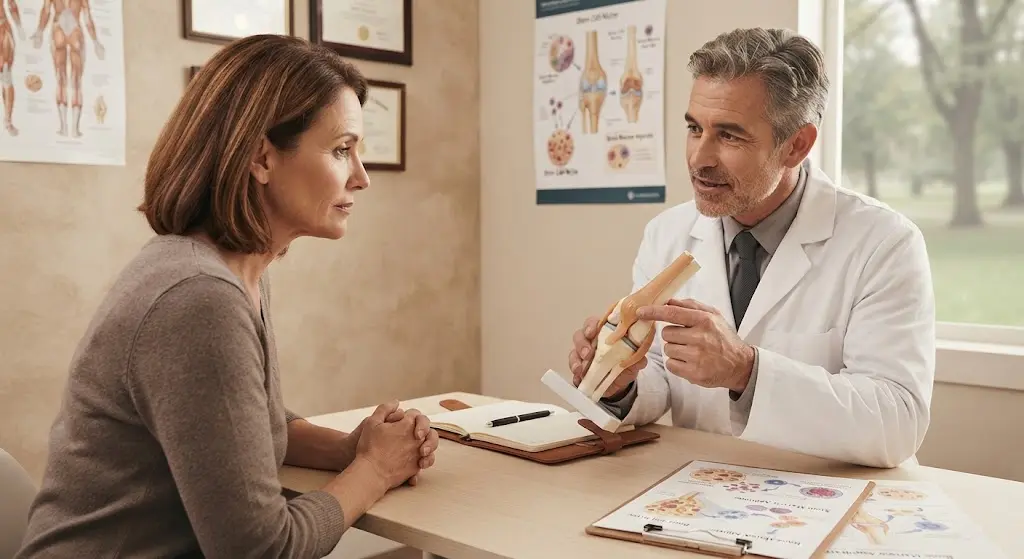
Doctor explaining a knee joint model to a female patient during a medical consultation, with anatomical charts in the background

Does Bone Marrow Stem Cell Therapy Actually Work? What Strong vs. Weak BMAC Results Look Like in Huntingdon Valley, PA

By Mark Ayzenberg, MD, FAAOS, Founder, Iron Mountain Orthopaedic Institute

Waiting to see if joint pain "settles down on its own" is one of the most expensive decisions you can make - not because of what you spend, but because of what you lose while you wait. Cartilage doesn't regenerate on its own timeline. Every month of unaddressed degeneration is a month of options narrowing.

BMAC (Bone Marrow Aspirate Concentrate) therapy delivers meaningful pain relief and functional improvement for a specific group of patients: those with early-to-moderate joint degeneration, cartilage damage, or soft tissue injuries who still have viable tissue to repair. Strong results typically appear over three to twelve months. Outcomes depend heavily on patient biology, injury severity, and whether the procedure is performed with imaging guidance by a trained orthopaedic specialist.

Key Takeaways

  • BMAC is not a pain blocker. It works by delivering concentrated stem cells and growth factors directly to damaged tissue, triggering actual repair rather than masking symptoms.
  • The best candidates have early-to-moderate degeneration rather than end-stage bone-on-bone joint destruction.
  • Results aren't immediate. Most patients notice meaningful change between weeks six and sixteen; full benefit often takes six to twelve months.
  • Imaging guidance during injection isn't optional if you want consistent results. Freehand placement is a major reason outcomes vary between providers.
  • BMAC outperforms standard PRP for certain conditions, particularly cartilage repair and bone healing, because it delivers a broader range of regenerative cells, not just growth factors.

What Is BMAC and Why Is It Different From PRP?

BMAC (Bone Marrow Aspirate Concentrate) is a regenerative treatment made by drawing a small amount of bone marrow, typically from the posterior iliac crest of your pelvis, then processing it in a centrifuge to concentrate the mesenchymal stem cells, growth factors, cytokines, and platelets it contains.

PRP (Platelet-Rich Plasma) concentrates only the growth factors found in your blood. BMAC goes further. It delivers actual stem cells capable of differentiating into cartilage, bone, and tendon tissue. That's not a marketing distinction; it's a biological one with direct implications for what each treatment can address.

In conditions involving cartilage loss or bone healing, the stem cell content of BMAC is the mechanism underlying its greater effectiveness than PRP. PRP can reduce inflammation and support soft tissue healing. BMAC can do that and contribute to structural tissue regeneration.

A published comparison in the American Journal of Sports Medicine found that BMAC produced superior outcomes to PRP for cartilage repair in knee osteoarthritis. The mechanism is straightforward: more regenerative cell types, more signaling diversity, more repair potential.

What Does a Strong BMAC Result Actually Look Like?

Strong results don't look like a switch being flipped. That's the first thing to understand.

In a typical case, a patient with moderate knee osteoarthritis and persistent pain despite physical therapy notices modest improvement in stiffness within the first four to six weeks. By months three to four, pain with activity decreases noticeably. By months six to twelve, they're back to activities they'd written off, whether that's golf, hiking, or keeping up with grandchildren.

The measurable markers of a strong result:

  • Reduced pain scores at three, six, and twelve months
  • Improved range of motion without compensatory movement patterns
  • Return to specific functional activities the patient had stopped doing
  • Imaging showing cartilage stabilization or improvement (not guaranteed, but documented in favorable cases)

What strong results don't look like: complete pain elimination within weeks, or a permanent fix with no maintenance. BMAC is a biological process, not a structural repair in the surgical sense.

If you're at the point of wondering whether BMAC makes sense for your specific situation, the right next step is an honest evaluation, not more waiting. Call Iron Mountain Orthopaedic Institute at (215) 821-7059 to schedule a consultation with Dr. Ayzenberg.

Why Do Some Patients See Poor Results From BMAC?

This is the question most practices avoid answering directly. Weak BMAC outcomes stem from four specific failure points, and understanding them helps you evaluate any provider you're considering.

  1. Wrong candidate selection. BMAC can't rebuild a joint that has no cartilage left. Patients with Kellgren-Lawrence Grade 4 osteoarthritis (bone-on-bone) are poor candidates. The biology requires something to work with.
  2. Inadequate cell concentration. Not all BMAC processing systems produce the same cell yield. The centrifuge protocol, processing time, and technique all affect the number of viable stem cells in the final concentrate. A dilute concentrate produces dilute results.
  3. Freehand injection without imaging guidance. Placing the concentrate in the right anatomical location matters. Freehand injection, even by experienced hands, misses the target zone more often than ultrasound or fluoroscopic guidance. The cells have to reach the damaged tissue to do anything.
  4. No post-procedure protocol. BMAC initiates a repair process. That process needs support: appropriate activity modification, correctly timed physical therapy, and follow-up to monitor progress. Patients who resume high-impact activity too early disrupt the repair window.

The failure mode most people don't expect is this: a technically correct procedure with the wrong patient produces the same poor result as a technically flawed procedure with the right patient. Both variables matter equally.

The BMAC Candidate Framework: Who Gets Strong Results vs. Who Doesn't

The BMAC Candidate Framework is a clinical decision-making structure for identifying which patients are most likely to benefit from bone marrow stem cell therapy and which should consider alternative treatment paths.

Use this framework when deciding whether to pursue BMAC:

Strong candidate profile:

  • Osteoarthritis graded Kellgren-Lawrence 1-3 (early to moderate)
  • Cartilage damage with some viable tissue remaining
  • Tendon or ligament injuries that haven't responded to conservative care
  • Bone healing challenges (non-union fractures, avascular necrosis in early stages)
  • Active lifestyle goals and realistic timeline expectations (six to twelve months)

Weak candidate profile:

  • Kellgren-Lawrence Grade 4 (end-stage, bone-on-bone)
  • Active joint infection or systemic inflammatory disease not under control
  • Significant structural instability requires surgical correction first
  • Expectation of rapid or complete pain elimination

The honest version of this framework: BMAC is best understood as a tool for preserving and repairing tissue that still has repair potential, not for replacing tissue that's already gone.

How Does BMAC Compare to Other Treatment Options?

TreatmentMechanismBest ForTimeline to ResultsStructural Repair Potential
BMACStem cells + growth factors + cytokinesCartilage damage, bone healing, and tendon injuries3-12 monthsYes (limited)
PRPGrowth factors from plateletsSoft tissue injuries, mild OA, tendinopathy4-12 weeksMinimal
Cortisone injectionAnti-inflammatoryShort-term pain reliefDays to weeksNone
Hyaluronic acidJoint lubricationMild-moderate knee OA4-8 weeksNone
Surgery (joint replacement)Structural replacementEnd-stage degeneration3-12 months recoveryFull replacement
Doing nothingNoneN/ADegeneration continuesNegative over time

The contrarian read on this table: cortisone injections are the most commonly used option and the only one on this list that can actively accelerate cartilage breakdown with repeated use. Choosing the most familiar treatment isn't the same as choosing the most appropriate one.

At Iron Mountain Orthopaedic Institute, Dr. Ayzenberg reviews each patient's imaging, history, and goals before recommending any regenerative treatment. The goal is to match the treatment's biology to the problem's biology.

What Are the Real Limitations of BMAC Therapy?

BMAC is not appropriate for everyone. Saying otherwise would be dishonest, and dishonesty doesn't help you make a good decision.

It won't reverse end-stage arthritis. It can't replace a joint that's already been destroyed. It doesn't work on the same timeline as a cortisone shot, and patients who need rapid pain relief for a specific event in the next two weeks are probably better served by a different intervention first.

There's also a biological variability factor that no provider can fully control. Younger patients with higher bone marrow stem cell counts tend to produce more potent BMAC concentrates. Older patients or those with certain metabolic conditions may have lower cell yields, which affects outcomes.

And results aren't permanent by default. Some patients benefit from a second treatment at twelve to eighteen months. That's not a failure; it's how biological therapies work. The joint doesn't stop aging because it received one treatment.

Frequently Asked Questions

How long does it take to see results from BMAC therapy?

Most patients notice the beginning of improvement between six and sixteen weeks after treatment, with more significant functional gains appearing at the three- to six-month mark. Full benefit often takes up to twelve months because the regenerative process is biological, not mechanical. Expecting results in the first two weeks sets up disappointment.

Is BMAC the same as stem cell therapy I've seen advertised at other clinics?

Not necessarily. "Stem cell therapy" is a broad term used to describe treatments ranging from BMAC (which uses your own bone marrow) to amniotic or umbilical cord-derived products (which are not FDA-cleared for orthopedic injection and have no reliable live cell content by the time they're used). BMAC uses your own concentrated bone marrow cells, which is a meaningful biological and regulatory distinction.

Does the BMAC procedure itself hurt?

The bone marrow aspiration involves a needle inserted into the posterior pelvis under local anesthesia. Most patients describe it as pressure and mild discomfort rather than sharp pain. The injection into the joint is similar to other guided injections. It's not a comfortable procedure, but it's well tolerated by the vast majority of patients and is completed in a single outpatient visit.

Will insurance cover BMAC therapy?

Most insurance plans currently classify BMAC as investigational for musculoskeletal conditions and don't cover it. This is worth asking about directly before your appointment. The out-of-pocket cost needs to be weighed against the cost of continued pain, lost function, and the far higher cost of joint replacement surgery and its recovery.

How is BMAC different from what my orthopedic surgeon offered me before recommending joint replacement?

Most orthopedic practices default to a surgical pathway once conservative care fails. BMAC sits in the space between "keep doing physical therapy" and "schedule your replacement." It's a regenerative option that many patients aren't offered because it requires specialized training, equipment, and a practice philosophy focused on avoiding surgery when possible.

Can BMAC help me avoid a knee or hip replacement?

For patients with early-to-moderate degeneration, BMAC can meaningfully delay or, in some cases, help avoid joint replacement by supporting cartilage preservation and reducing the inflammatory environment in the joint. It's not a guarantee, and it's not appropriate for everyone. The honest answer is: it depends on how much viable tissue you have left and how early you intervene.

What makes Iron Mountain Orthopaedic Institute different for BMAC treatment?

Dr. Ayzenberg is a double board-certified, fellowship-trained orthopaedic surgeon with specific training in regenerative medicine. BMAC at Iron Mountain Orthopaedic Institute is performed with imaging guidance, processed with attention to cell yield, and followed by a post-procedure protocol. Appointments are longer than the industry norm because the evaluation behind the treatment matters as much as the procedure itself.

The most expensive joint decision most people make isn't choosing the wrong treatment. It's waiting until the only option left is the one they were trying to avoid.

If you're living with joint pain in Huntingdon Valley or the surrounding area and you want an honest evaluation of whether BMAC makes sense for your situation, call Iron Mountain Orthopaedic Institute at (215) 821-7059. Dr. Ayzenberg will review your imaging, explain what the biology supports, and tell you directly whether you're a good candidate. No pressure toward a procedure that isn't right for you.

About the Author

Mark Ayzenberg, MD, FAAOS, is the founder of Iron Mountain Orthopaedic Institute and a double board-certified, fellowship-trained orthopaedic surgeon specializing in sports medicine, arthroscopy, and regenerative orthopaedics. He graduated cum laude from the University of Pennsylvania, earned his medical degree with highest honors from what is now Geisinger Commonwealth School of Medicine, and completed fellowship training at Southern California Orthopedic Institute. Iron Mountain Orthopaedic Institute is built on a "less is more" philosophy: exhausting every non-surgical option before recommending surgery, with personalized care and longer appointments as a deliberate practice standard.

Why Some Shockwave Therapy Treatments Fall Short and What a Proper Evaluation Changes

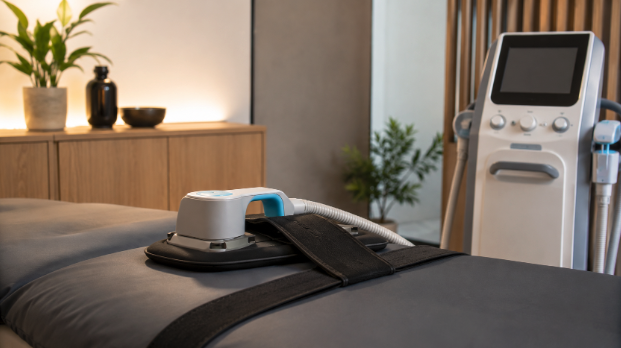
CoolSculpting cryolipolysis applicator on treatment bed next to body contouring machine in clinic

The Most Common EMSCULPT NEO Mistakes Orthopaedic Patients Make

Joint pain changes the way people move. Over time, that can lead to muscle weakness around the affected joint, making it even harder to stay active and recover.

For patients looking for ways to rebuild strength without immediately turning to surgery, EMSCULPT NEO can be a useful part of a treatment plan. But like any treatment, timing and expectations matter. Starting too soon, expecting immediate results, or relying on EMSCULPT NEO as a standalone solution can all limit the results patients see.

Understanding where EMSCULPT NEO fits into an orthopaedic recovery plan can help patients get more out of the treatment.

What Is EMSCULPT NEO?

EMSCULPT NEO combines radiofrequency heating with high-intensity focused electromagnetic (HIFEM) energy. During a treatment session, the technology stimulates thousands of muscle contractions that are more intense than the contractions typically produced voluntarily during exercise.

This can be particularly helpful for orthopaedic patients who have lost muscle strength because pain or an injury has made it difficult to exercise normally.

For example, someone with knee osteoarthritis may gradually develop weakness in the quadriceps because loading the painful knee becomes uncomfortable. As that muscle weakens, the knee loses some of the muscular support that helps stabilize it.

EMSCULPT NEO can help rebuild that muscle without requiring the same type of joint loading that would occur during a traditional workout.

However, that does not mean it should be used at every stage of recovery.

Mistake #1: Starting Treatment While the Joint Is Still Inflamed

One of the biggest mistakes patients can make is beginning EMSCULPT NEO while dealing with significant inflammation, swelling, or an active flare.

When a joint is actively irritated, the first priority is usually understanding why it is inflamed and getting that problem under control.

Consider a patient with knee osteoarthritis whose knee is currently swollen and painful. Jumping immediately into a muscle-building treatment may not be the best starting point. The underlying joint condition needs to be evaluated first so the provider can determine whether EMSCULPT NEO makes sense now or later in the recovery process.

At Iron Mountain Orthopaedic Institute, patients are evaluated before regenerative or muscle-building treatments are recommended. This helps determine the current condition of the joint and where a treatment such as EMSCULPT NEO actually fits into the overall plan.

For some patients, it may be appropriate immediately. For others, inflammation or another underlying issue may need to be addressed first.

Mistake #2: Expecting Results After One Session

EMSCULPT NEO creates an intense muscular stimulus, but muscle does not rebuild overnight.

A standard treatment course generally consists of four sessions spaced approximately five to ten days apart. The muscle-building process continues after those sessions are completed, which means patients may not see or feel their full results immediately.

Measurable changes can take several weeks to develop.

This is where expectations become important. A patient who completes one or two sessions and expects a dramatic transformation may assume the treatment is not working when the body simply has not had enough time to respond.

The contractions happen during the appointment. The recovery and adaptation happen afterward.

Nutrition also matters during this process. The body needs adequate protein and nutrients to support muscle repair and growth following treatment. EMSCULPT NEO can provide the stimulus, but the body still needs the resources necessary to respond to it.

Mistake #3: Treating EMSCULPT NEO as a Standalone Solution

Muscle weakness around an injured or arthritic joint rarely develops for no reason.

Pain may cause someone to walk differently, avoid certain movements, stop exercising, or shift more weight onto the opposite side of the body. Over months or years, those compensations can lead to significant weakness.

EMSCULPT NEO can help address the muscle component of that problem, but it does not automatically correct everything that caused the weakness in the first place.

That is why it often makes more sense as one part of a larger treatment plan.

Depending on the patient, that plan could include physical therapy, changes in activity, regenerative treatments such as PRP, or another intervention designed to address the joint itself.

The goal is not simply to make a muscle stronger. It is to understand why the muscle became weak and address as much of that larger picture as possible.

When Does EMSCULPT NEO Make Sense?

EMSCULPT NEO may be worth considering when a patient’s joint condition is stable, inflammation is controlled, and muscle weakness is contributing to reduced function or joint stability.

It may also have a role during recovery when pain has made traditional strengthening difficult.

On the other hand, patients experiencing significant swelling, an acute injury, or unexplained joint pain should generally start with an orthopaedic evaluation. The same is true for anyone hoping EMSCULPT NEO will replace treatment for an underlying structural problem.

There is no single treatment that makes sense for every patient.

A proper evaluation helps determine whether EMSCULPT NEO should be used now, later, alongside another treatment, or not at all.

Mistake #4: Ignoring What Happens Between Sessions

The appointment is only one part of the process.

What happens between EMSCULPT NEO sessions can influence how well the body responds. Adequate protein intake supports muscle repair, while appropriate activity helps patients continue using the strength they are rebuilding.

Patients should also follow any activity recommendations provided by their physician. Trying to push through an injury or returning to intense exercise too quickly can work against the broader recovery plan.

EMSCULPT NEO is meant to support recovery, not replace good recovery habits.

Who May Not Be a Good Candidate?

EMSCULPT NEO is not appropriate for every patient.

Certain medical conditions and implanted devices may prevent someone from safely receiving treatment. This can include pacemakers, certain metal implants within the treatment area, active infections, pregnancy, and some neurological conditions.

Patients experiencing uncontrolled swelling or an acute injury that has not been evaluated should also have the underlying problem assessed before beginning treatment.

EMSCULPT NEO also does not reverse structural joint damage. Significant cartilage loss, severe arthritis, or an injury requiring surgical repair still needs to be addressed appropriately.

In those situations, EMSCULPT NEO may sometimes have a role in strengthening surrounding muscles before or after another intervention, but it is not a replacement for treating the structural problem itself.

Getting the Timing Right

The biggest takeaway is that EMSCULPT NEO is not simply about completing a certain number of sessions.

The patient’s starting point matters.

Someone with a stable joint and significant muscle weakness may be in a very different position than someone experiencing an active inflammatory flare. Both patients may eventually benefit from muscle strengthening, but their treatment plans may need to begin differently.

At Iron Mountain Orthopaedic Institute, the goal is to understand the condition of the joint first and then determine which treatments make sense based on the patient’s individual situation.

That approach helps patients avoid spending time and money on a treatment before the body is ready to benefit from it.

Frequently Asked Questions

How many EMSCULPT NEO sessions are typically needed?

A standard course generally includes four sessions spaced approximately five to ten days apart. Full results may take several additional weeks to develop because muscle adaptation continues after treatment.

Can EMSCULPT NEO help patients avoid knee replacement surgery?

That depends on the condition of the knee. Strengthening the muscles surrounding the joint may improve support and function for some patients, but EMSCULPT NEO does not repair severe structural damage or replace cartilage.

Patients with significant arthritis or cartilage loss should be evaluated by an orthopaedic specialist to understand which treatment options are appropriate.

Can EMSCULPT NEO be used when a joint is inflamed?

Patients experiencing active inflammation, swelling, or an acute flare should be evaluated before beginning treatment. In some cases, addressing the inflammation first may create a better foundation for muscle-building treatment later.

How is EMSCULPT NEO different from physical therapy?

The two approaches serve different purposes.

Physical therapy focuses on movement patterns, functional strength, mobility, and motor control through voluntary movement and exercise. EMSCULPT NEO uses electromagnetic energy to create powerful involuntary muscle contractions.

For some patients, the two may complement each other rather than serving as alternatives.

What should patients do after an EMSCULPT NEO session?

Adequate nutrition, particularly protein intake, can help support the muscle-building process. Patients should also follow their physician’s recommendations regarding activity and exercise between sessions.

How can someone determine whether EMSCULPT NEO is appropriate?

An orthopaedic evaluation is the best starting point.

At Iron Mountain Orthopaedic Institute, the evaluation process looks at the condition of the joint, the source of the patient’s symptoms, muscle weakness, inflammation, and other factors before determining whether EMSCULPT NEO belongs in the treatment plan.

Patients dealing with joint pain, muscle weakness following an injury, or difficulty returning to normal activities can call (215) 821-7059 to schedule a consultation with Dr. Mark Ayzenberg and discuss available treatment options.

About the Author

Iron Mountain Orthopaedic Institute is an advanced orthopaedic practice led by Dr. Mark Ayzenberg, FAAOS, a double board-certified, fellowship-trained orthopaedic surgeon specializing in shoulder, knee, hip, and ankle minimally invasive surgery. The practice combines surgical expertise with research-backed regenerative treatments including PRP, stem cell therapy, A2M, MLS Laser Therapy, ESWT, and EMSCULPT NEO, serving patients seeking options for sports injuries, joint conditions, recovery, and returning to the activities they value.

Orthopedic doctor examining patient's knee, PRP injection treatment for osteoarthritis.

Bone Marrow Injections Outperform Knee Replacements After 15 Years, Study Finds. How to Avoid Knee Replacement Even with “Bone on Bone” arthritis.

Active seniors stretching demonstrating innovative solutions for pain relief and orthopaedic conditions.

Why Not All PRP is the Same: The Importance of High-Quality, High-Dose, and Ultrasound-Guided Injections for Orthopaedic Conditions

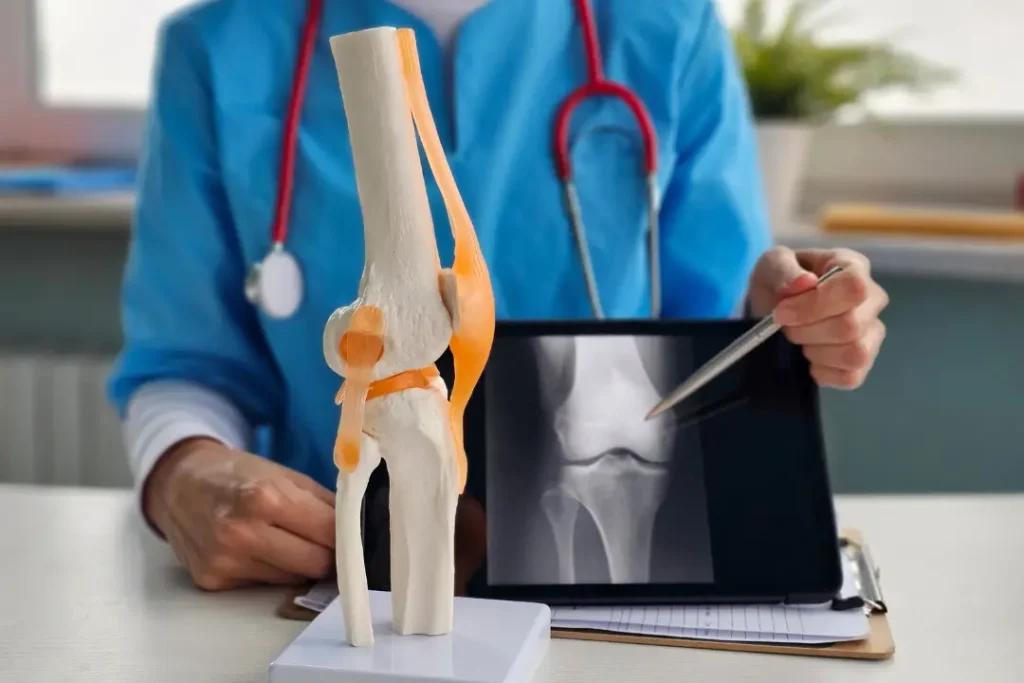
Knee osteoarthritis treatment model and X-ray with doctor examining regenerative medicine options

PRP: The Cutting Edge of Knee Osteoarthritis Treatment: A Comprehensive Review of Research Studies

PRP therapy for shoulder arthritis, rotator cuff injury, and frozen shoulder treatment.

Harnessing PRP Therapy for Shoulder Arthritis, Rotator Cuff Injury and Frozen Shoulder: Recent Advances and Research Insights

PRP therapy for tennis elbow and golfer’s elbow, illustrating lateral and medial epicondylitis treatment.

The Promise of PRP for Tennis Elbow and Golfer’s Elbow (Lateral and Medial Epicondylitis): Recent Research Insights

PRP therapy discussion for hip osteoarthritis and joint pain, with anatomical model and medical records.

Exploring PRP Therapy for Hip Osteoarthritis: Recent Research Insights

Exploring the Impact of PRP Therapy on Professional Athletes

Minimally Invasive Techniques for Faster Recovery

Innovative Solutions for Non-Surgical Joint Pain Treatment

Heal from Within: How Changing Your Diet Can Reduce Inflammation

The Benefits of Orthobiologics for Joint Pain Relief